London – Day 2 – Greenwich
Monday, 26-Jan-2026
Tags: Travel
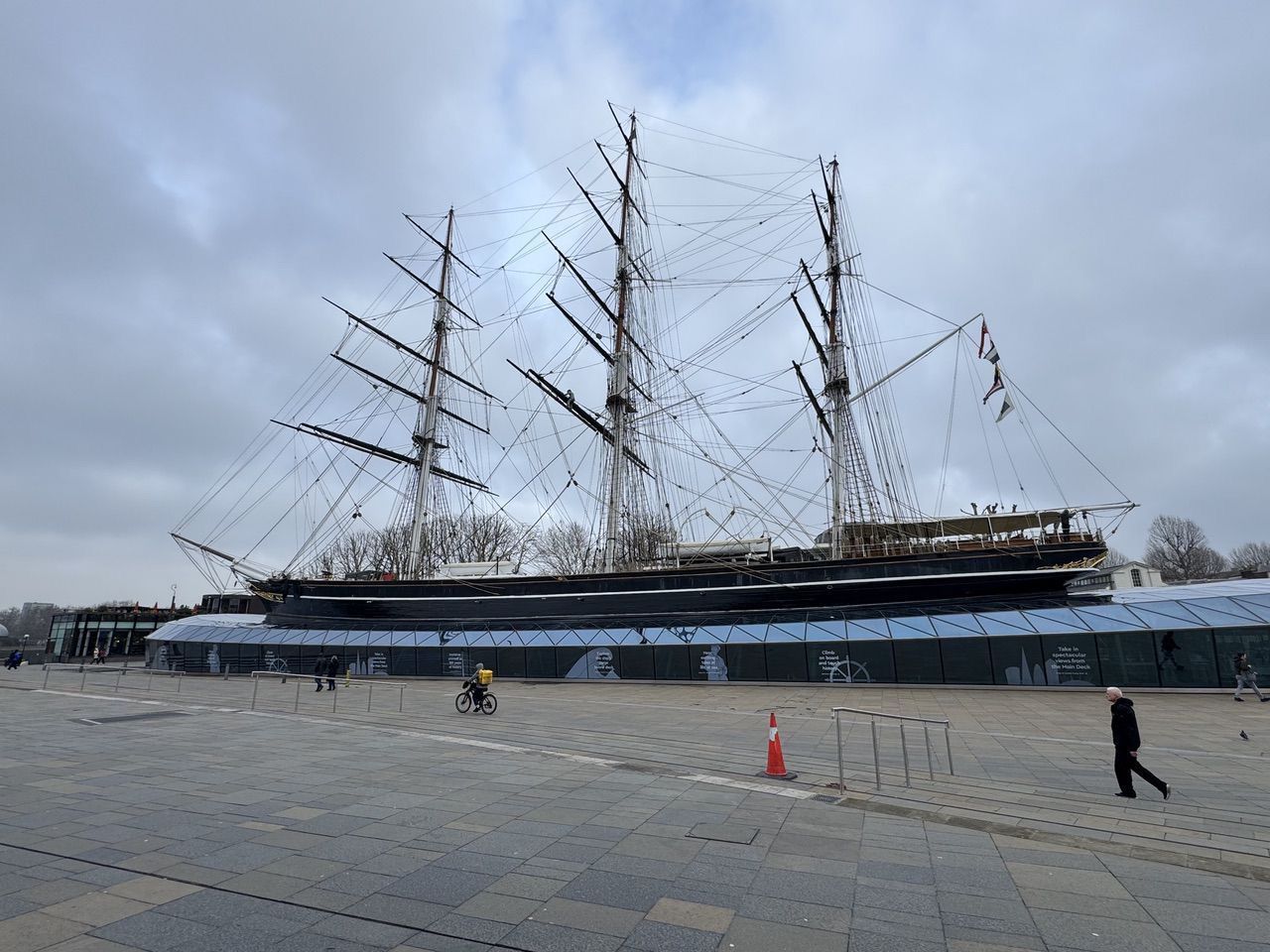
Our goal on Monday was Greenwich to see the Cutty Sark clipper ship and the Royal Observatory, home of the prime meridian, Earth's 0° line of longitude.
We took the Jubilee line to North Greenwich, rather than the light rail to Greenwich, and walked a mile along the Thames (after a few false starts due to construction) to Greenwich. We bought a combined Cutty Sark and Royal Observatory ticket, and then headed to the Cutty Sark.
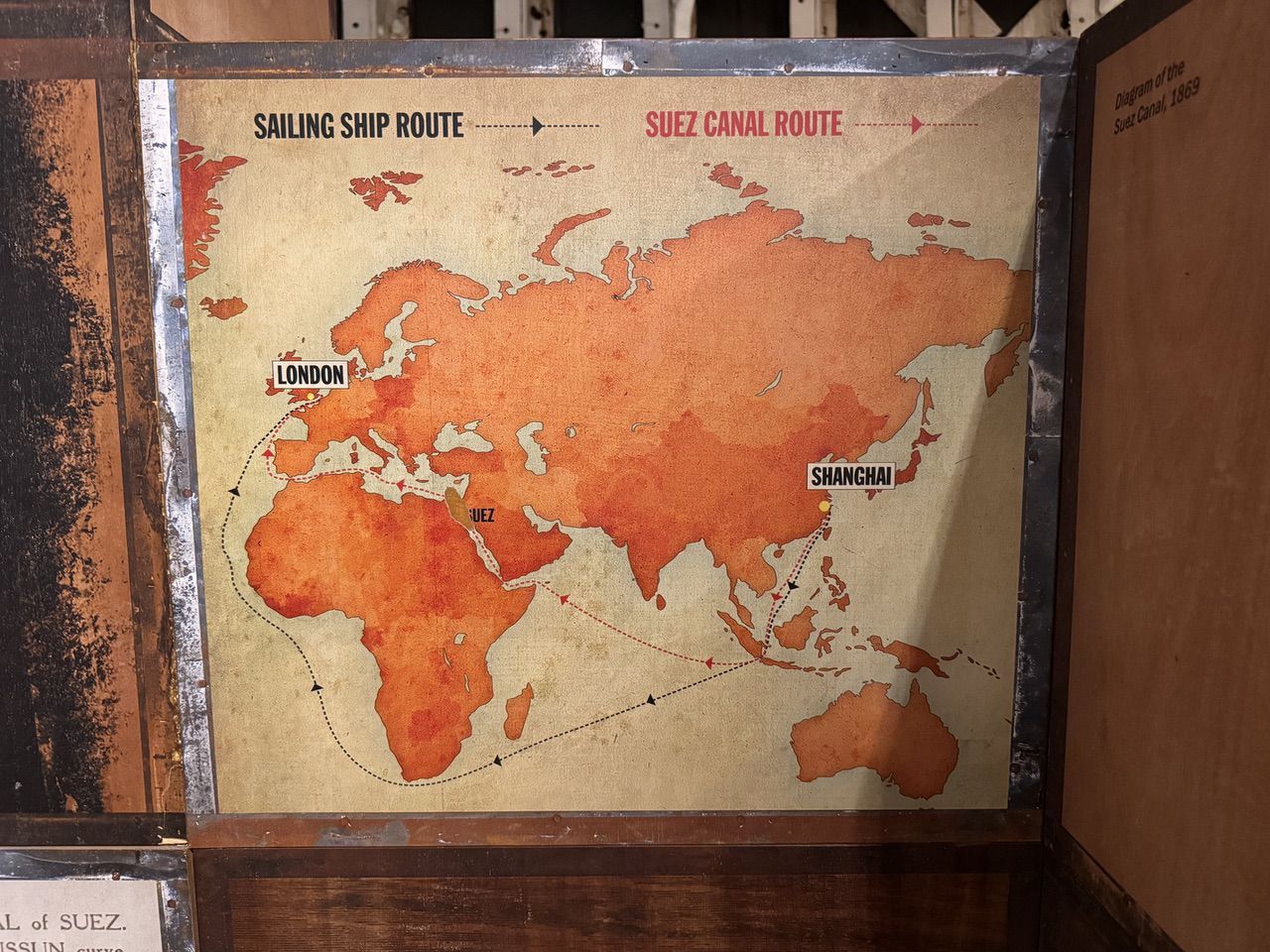
The Cutty Sark, built in 1869, was one of the last tea clipper ships, and took 8 trips to and from China around the southern tip of Africa. Supplanted by steamships through the Suez Canal, the Cutty Sark began sailing to Australia and back for the wool trade. Built for speed, it was one of the fastest clipper ships every built, and one of its trips from Sydney took a record 73 days. The Cutty Sark was eventually preserved as a museum ship and became a prominent attraction in Greenwich, London, after it was opened to the public in 1957.
Pictures:
- Cutty Sark exterior
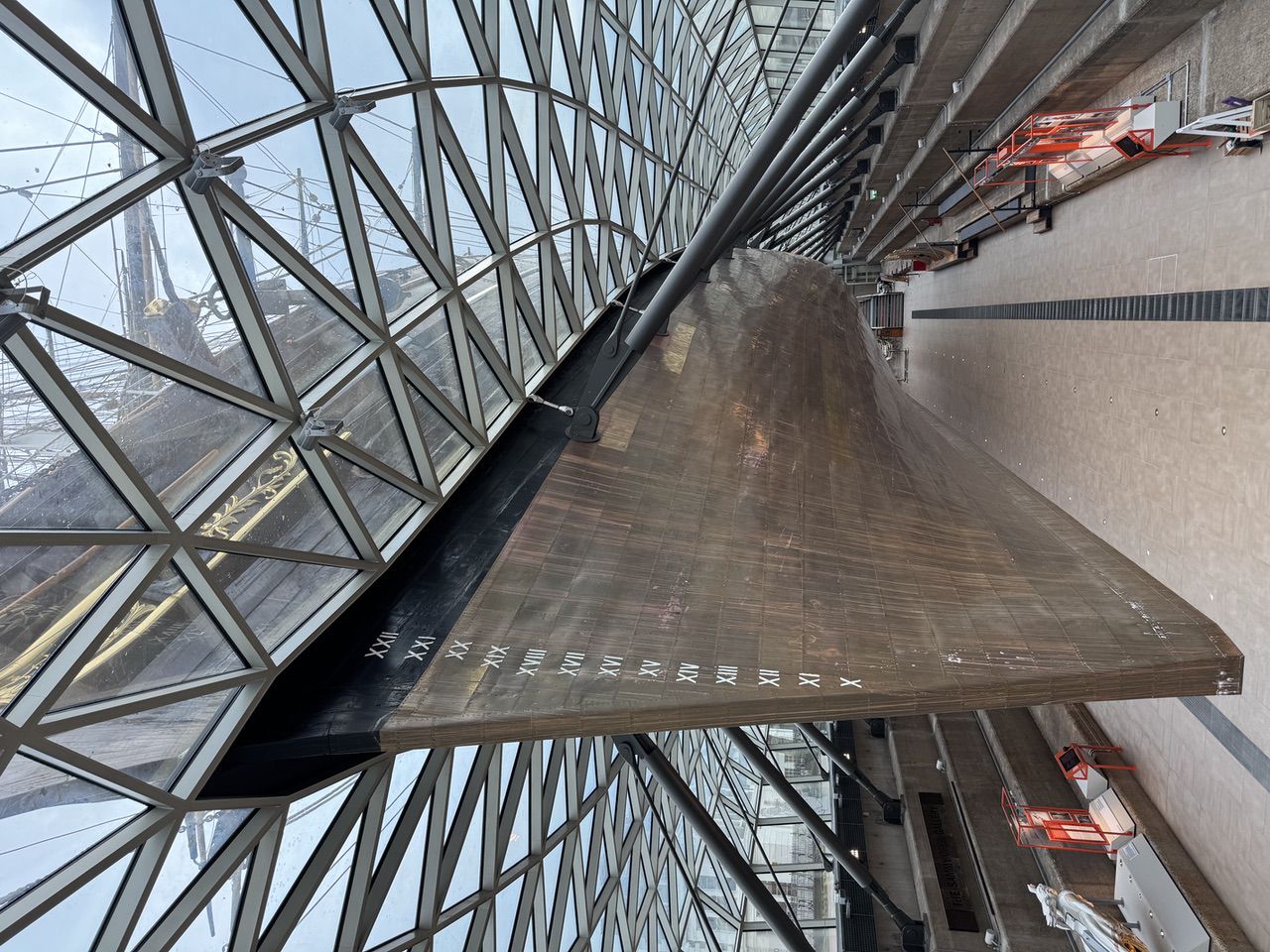
- The hull — The hull was wood on a metal frame, sheathed in a copper and zinc alloy. This was to prevent things like barnacles and molluscs from burrowing into the ship.
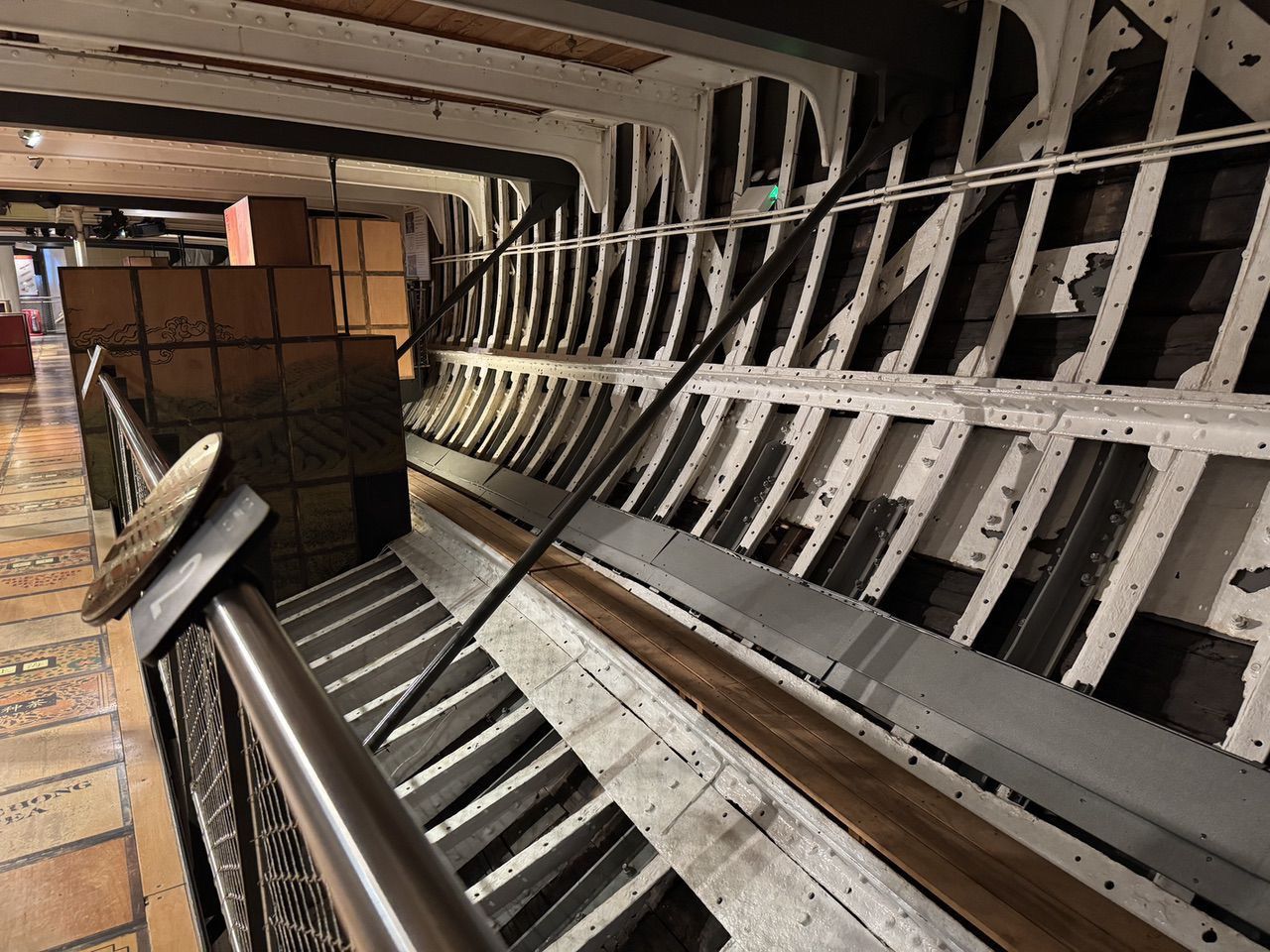
- Metal frame
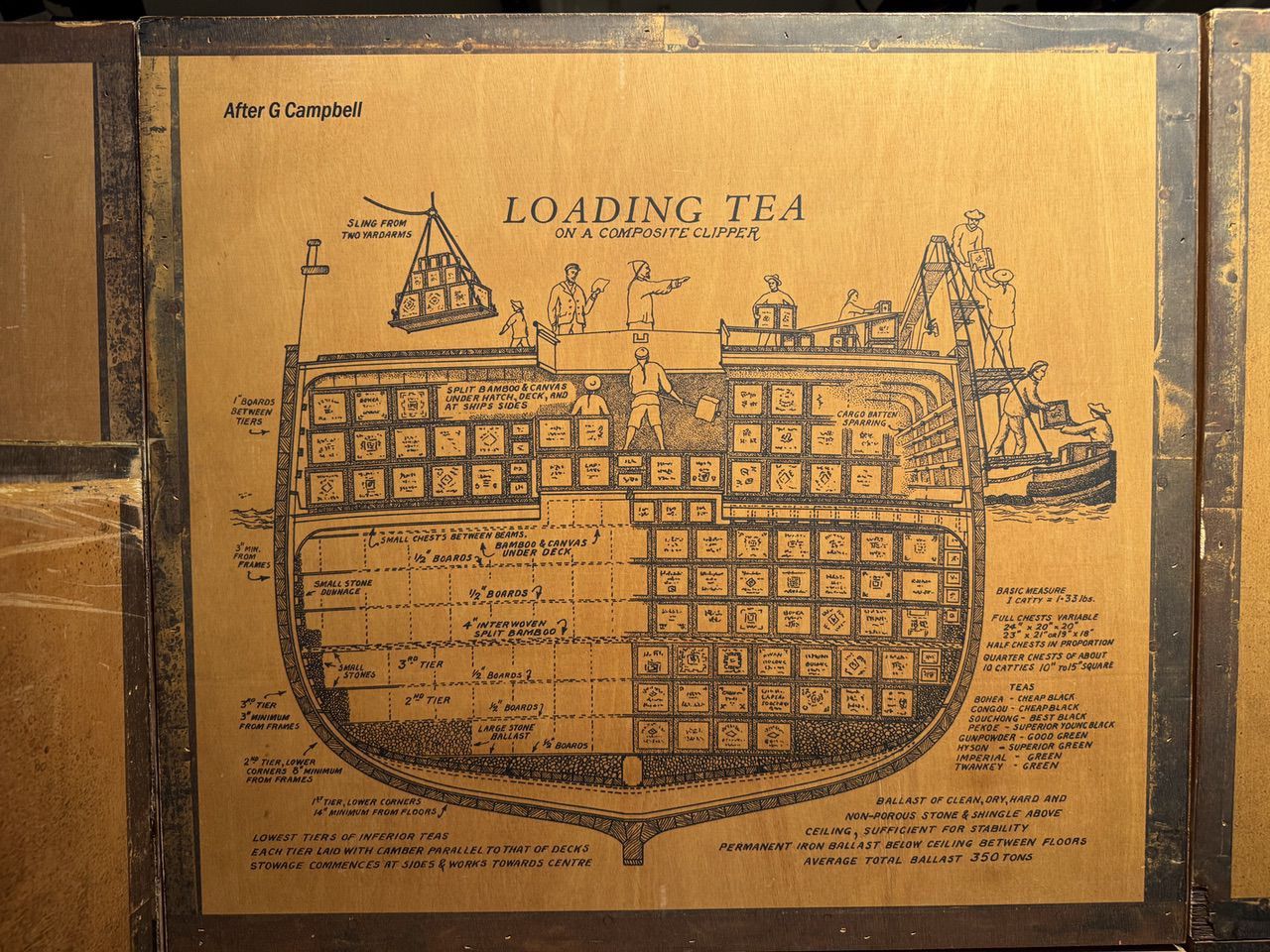
- Tea diagram below deck
- Sailing route
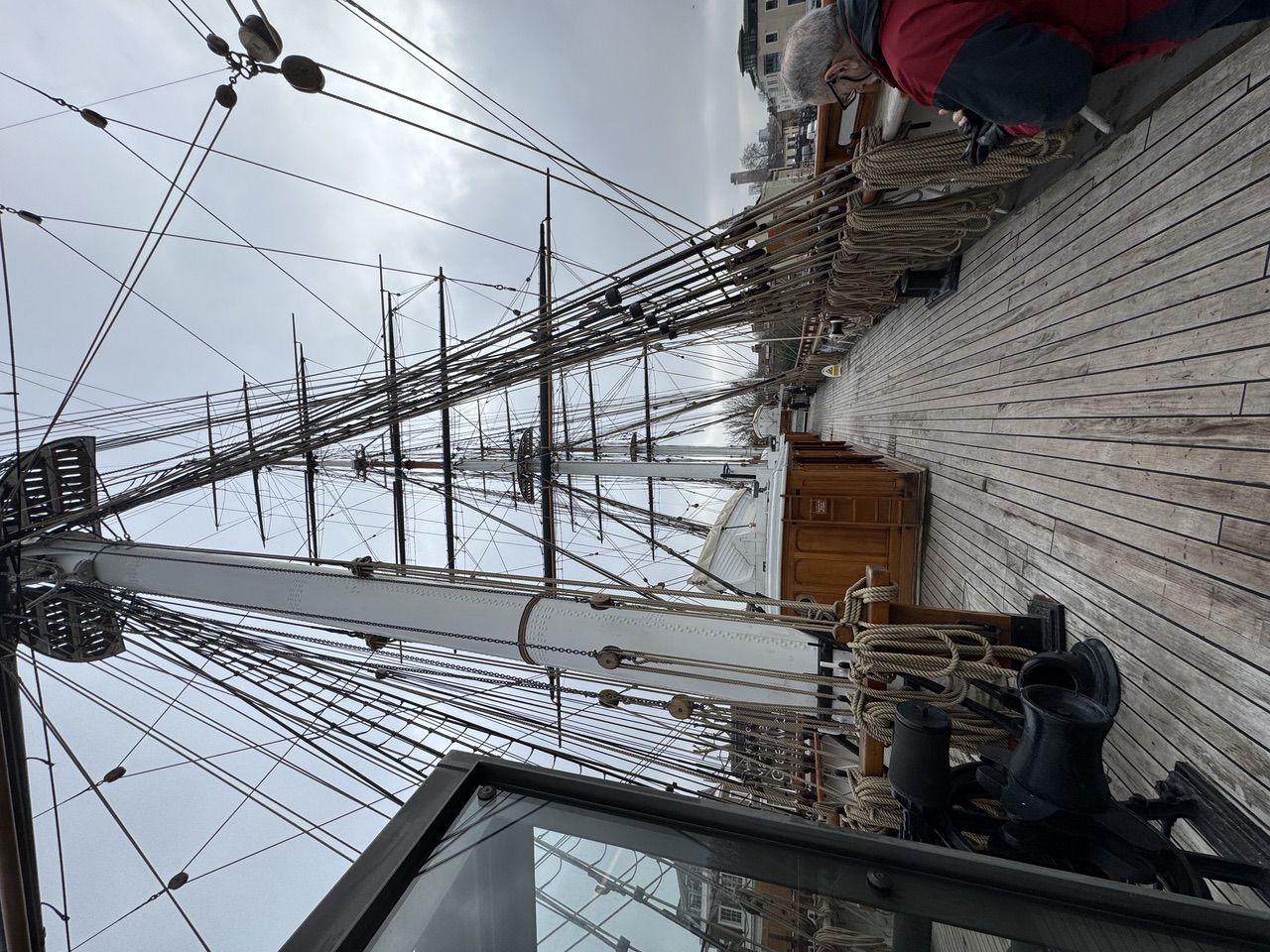
- The deck
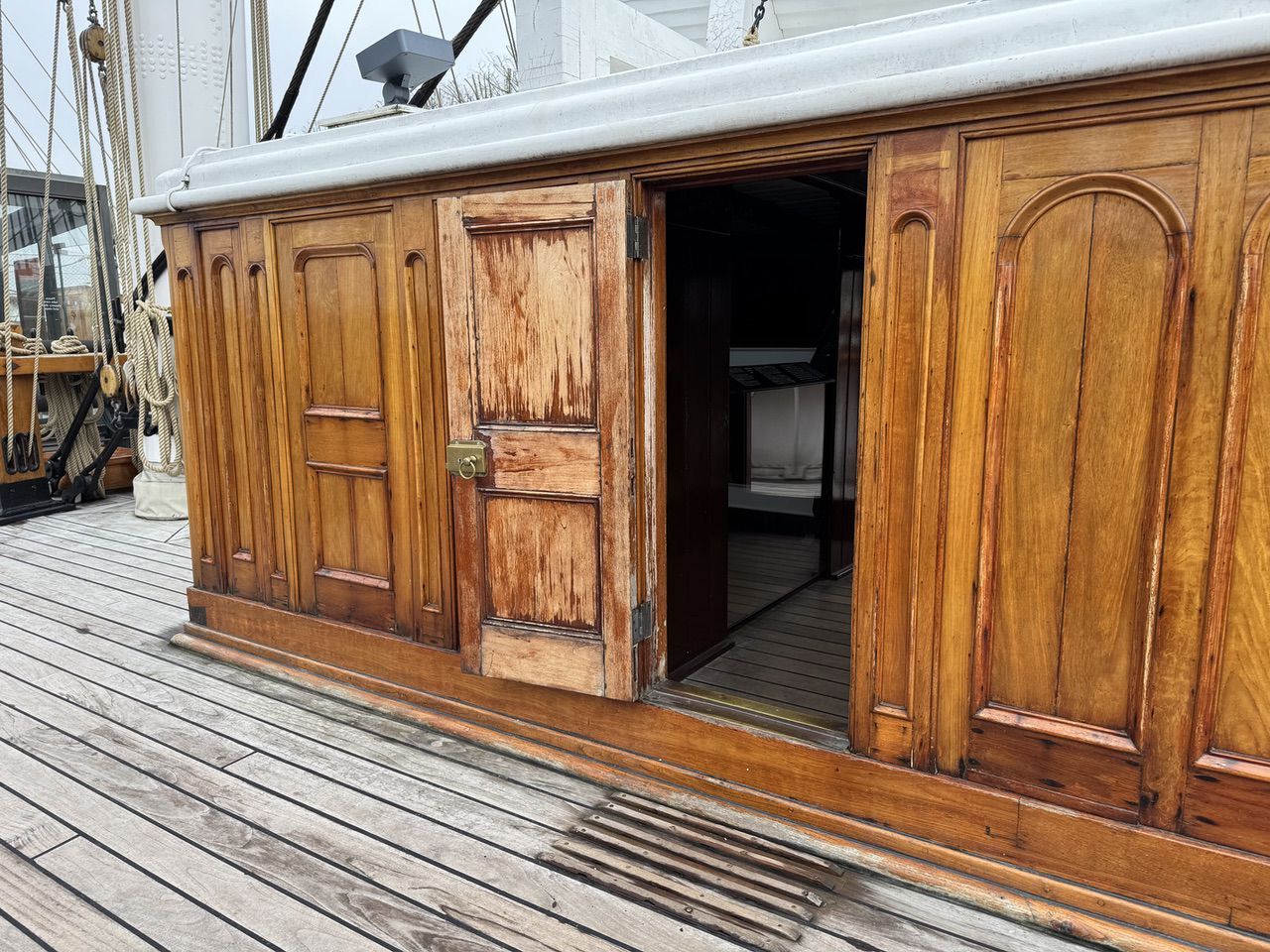
- Cabins on the deck for the for the seamen
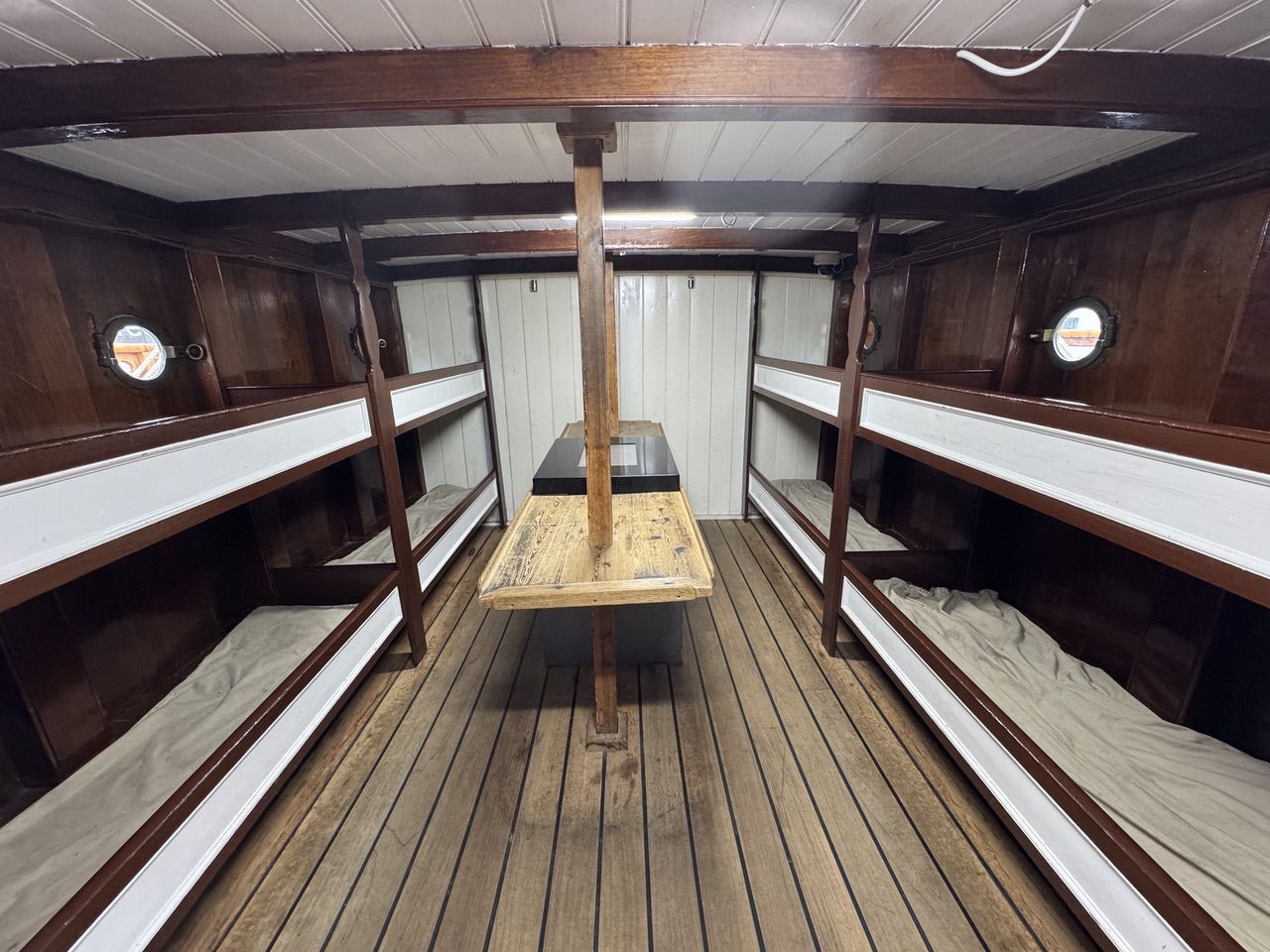
- Cabin interior for the seamen
- Officer drawing room (below deck)
- Officer cabin (below deck)
- Taking the wheel
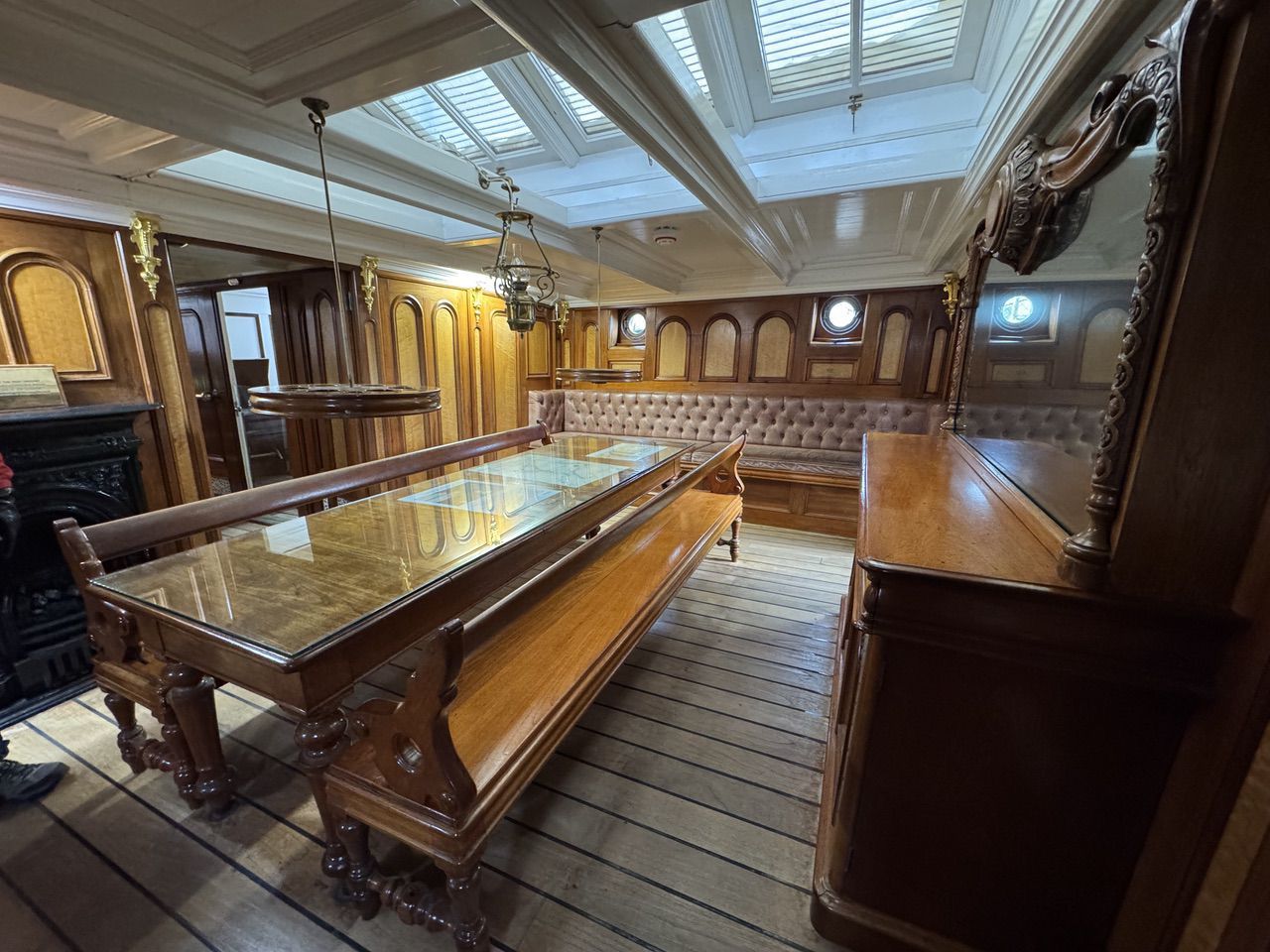
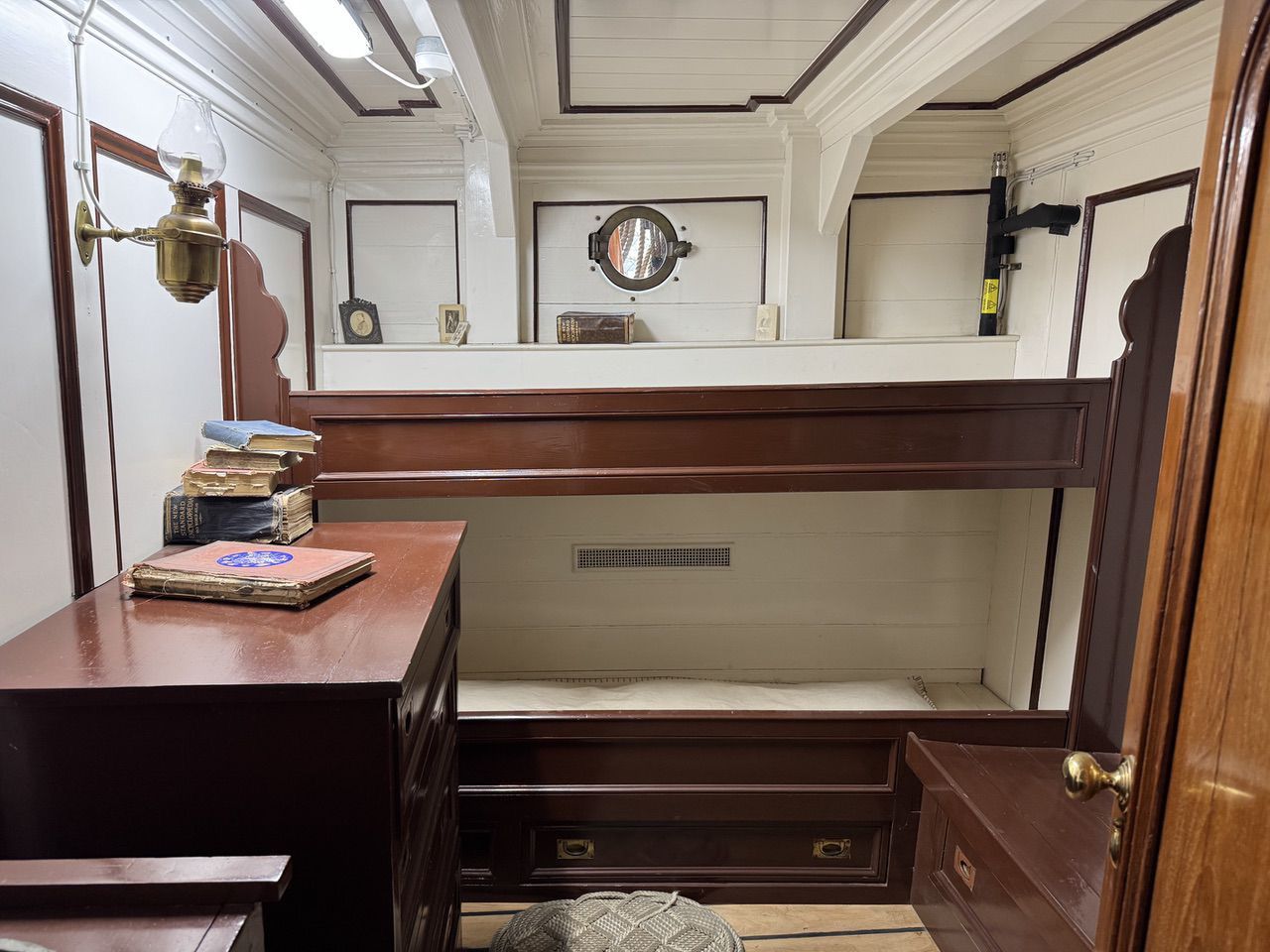
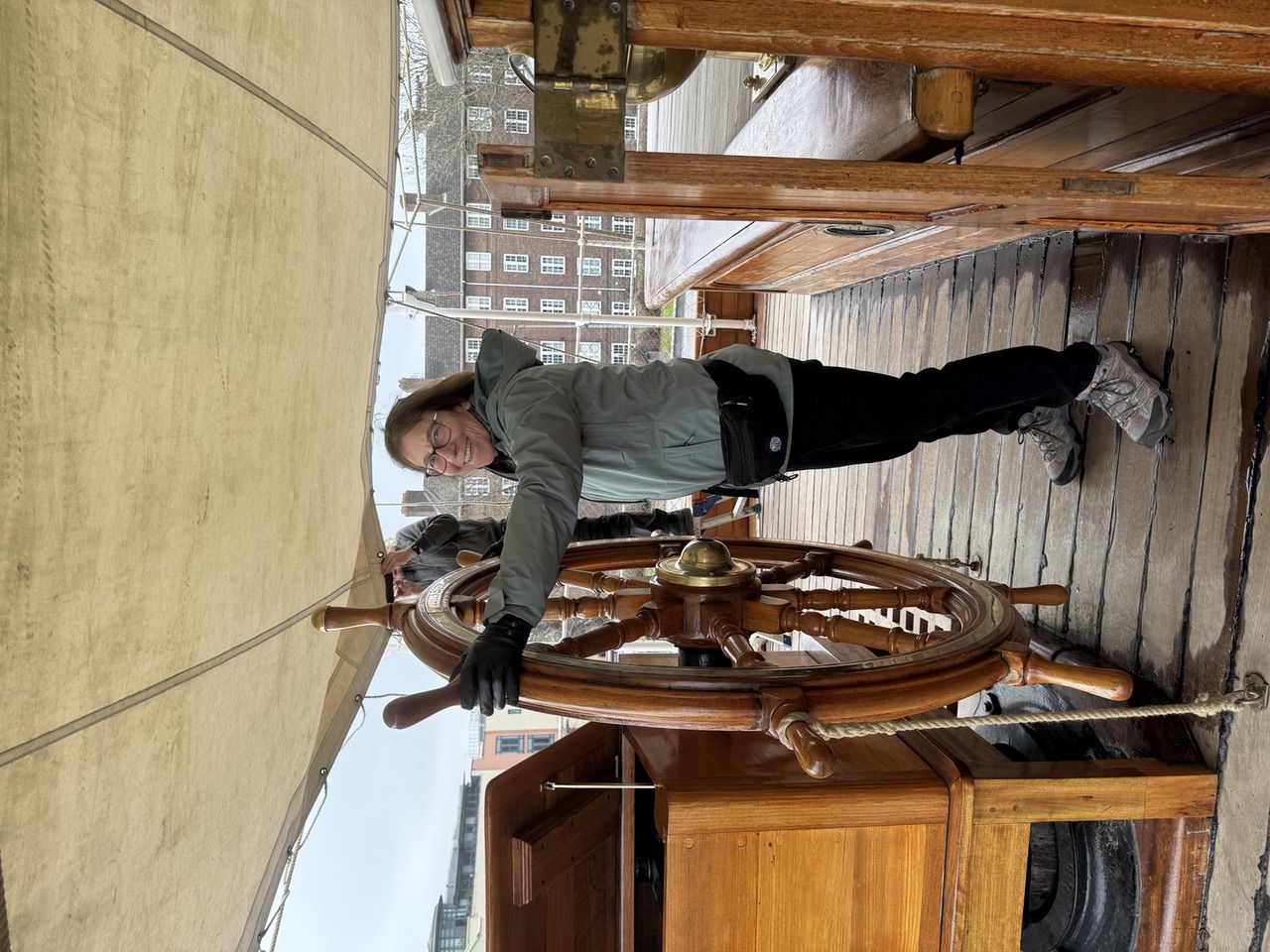
After the Cutty Sark, we walked through the streets to the observatory grounds and headed up to the observatory. The Prime Meridian is the Earth's 0° line of longitude, passing through the Royal Observatory in Greenwich, London, separating the Eastern and Western Hemispheres. Established as the international standard in 1884, it serves as the reference point for Greenwich Mean Time (GMT), global time zones, and navigation.
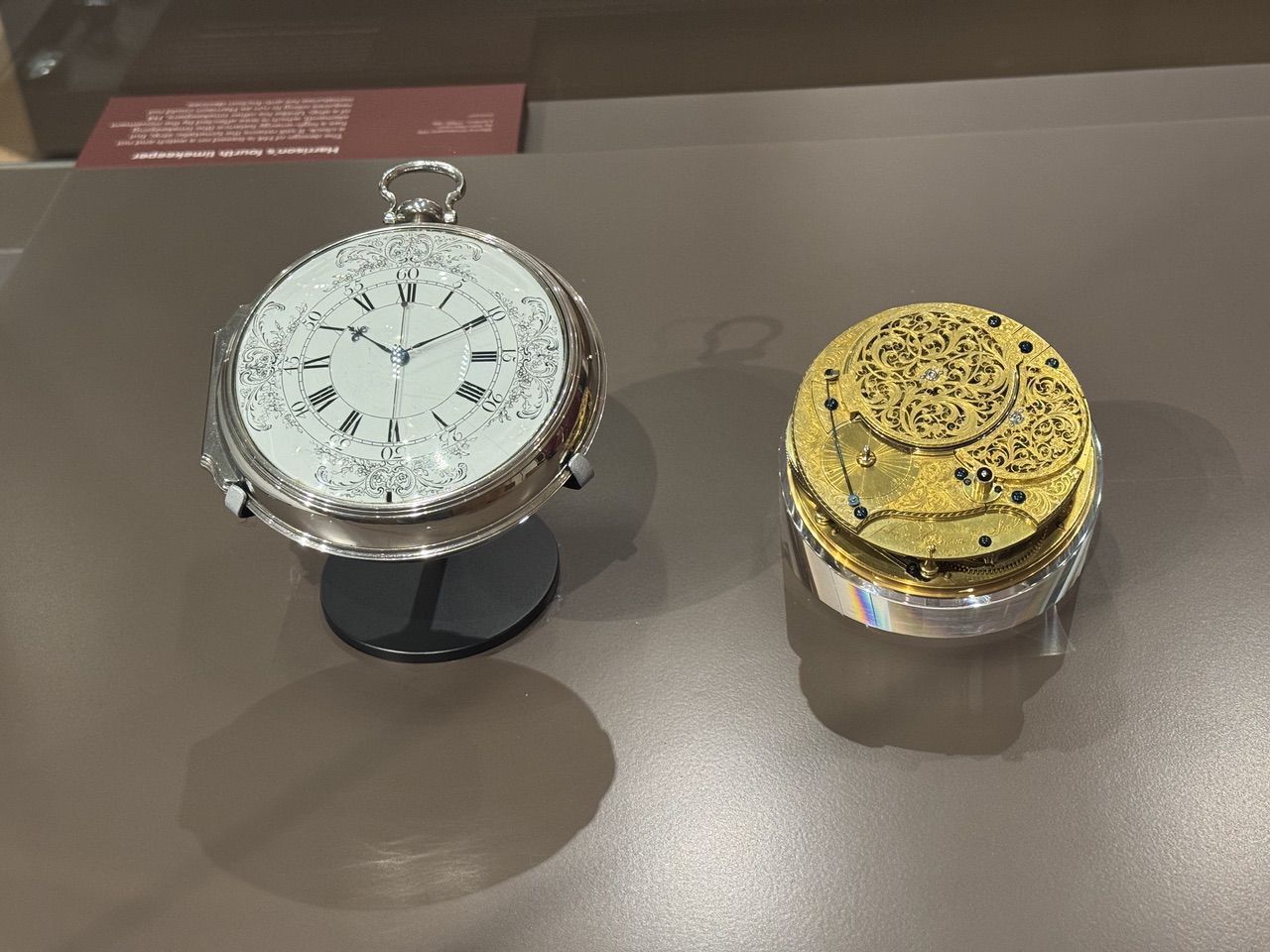
Determining longitude was crucial for safe ocean navigation, as it allowed sailors to accurately pinpoint their east-west position. Determining latitude (north-south position) is much easier because it can be done based on the angle of the sun in the sky and by the stars. One solution to the longitude problem was an accurate and portable sea-going clock. Responding to a competition to solve this problem, by 1760, after almost 45 years, John Harrison solved the longitude problem with his fourth marine timekeeper, now known as 'H4'. It is one of the most important machines ever made.
- Observatory
- Larry on the prime meridian
- Timepiece (H4)
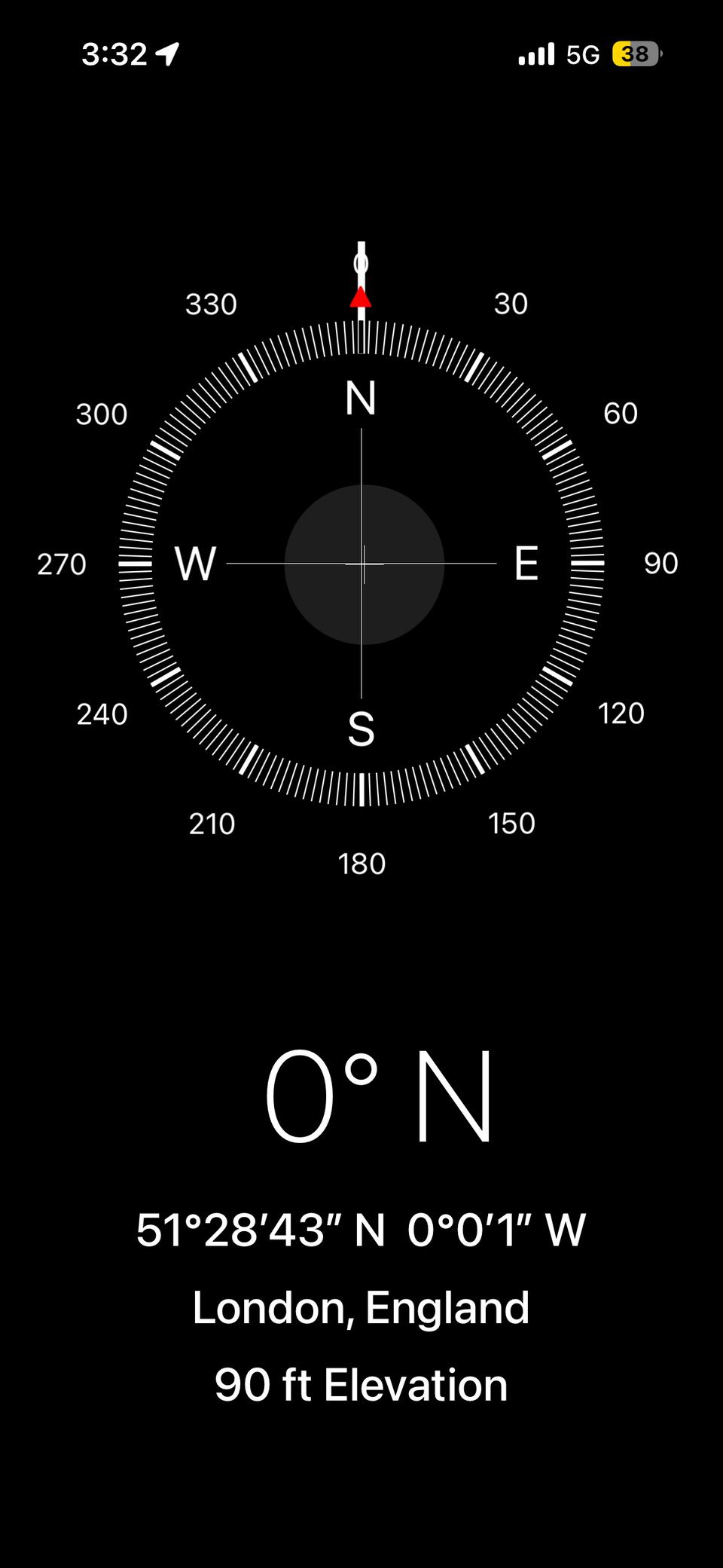
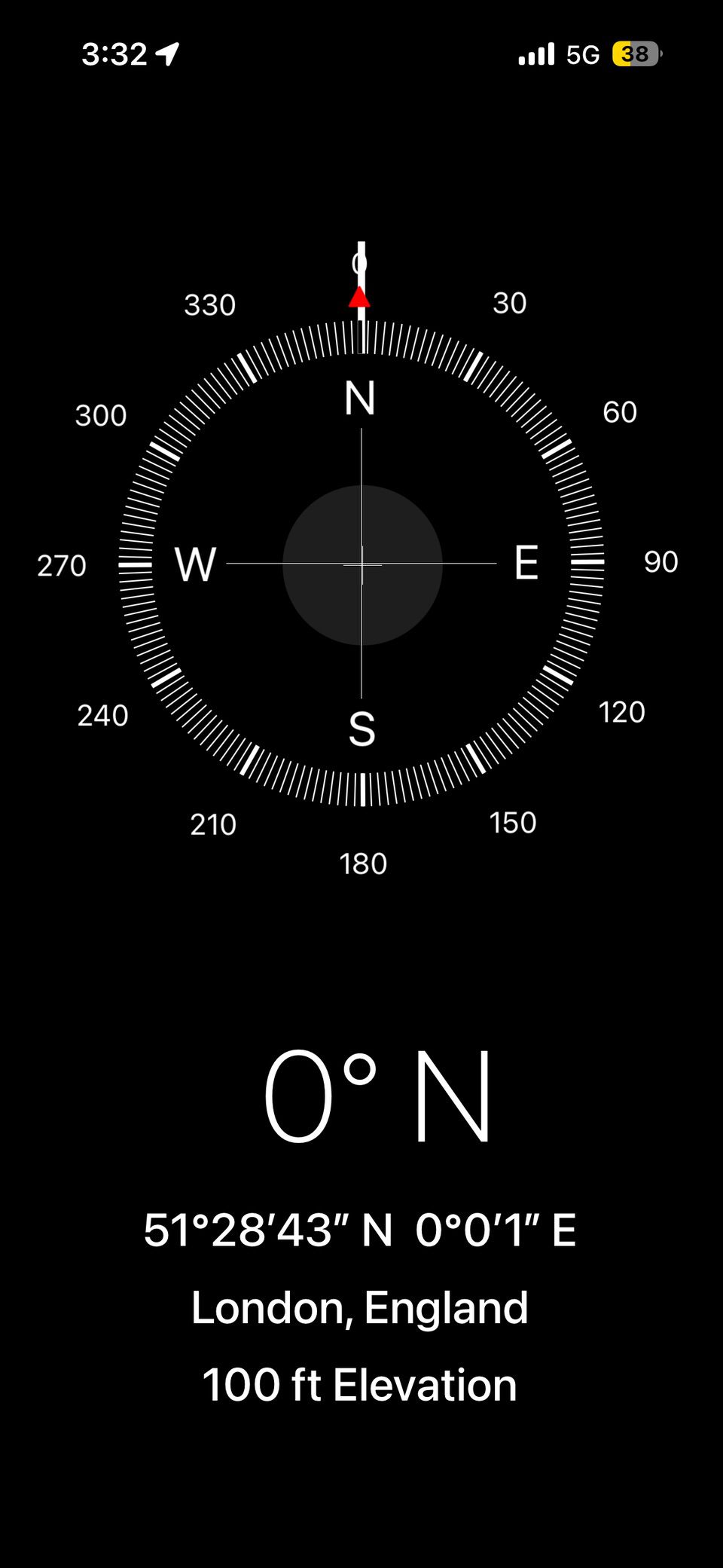
- Two compasses
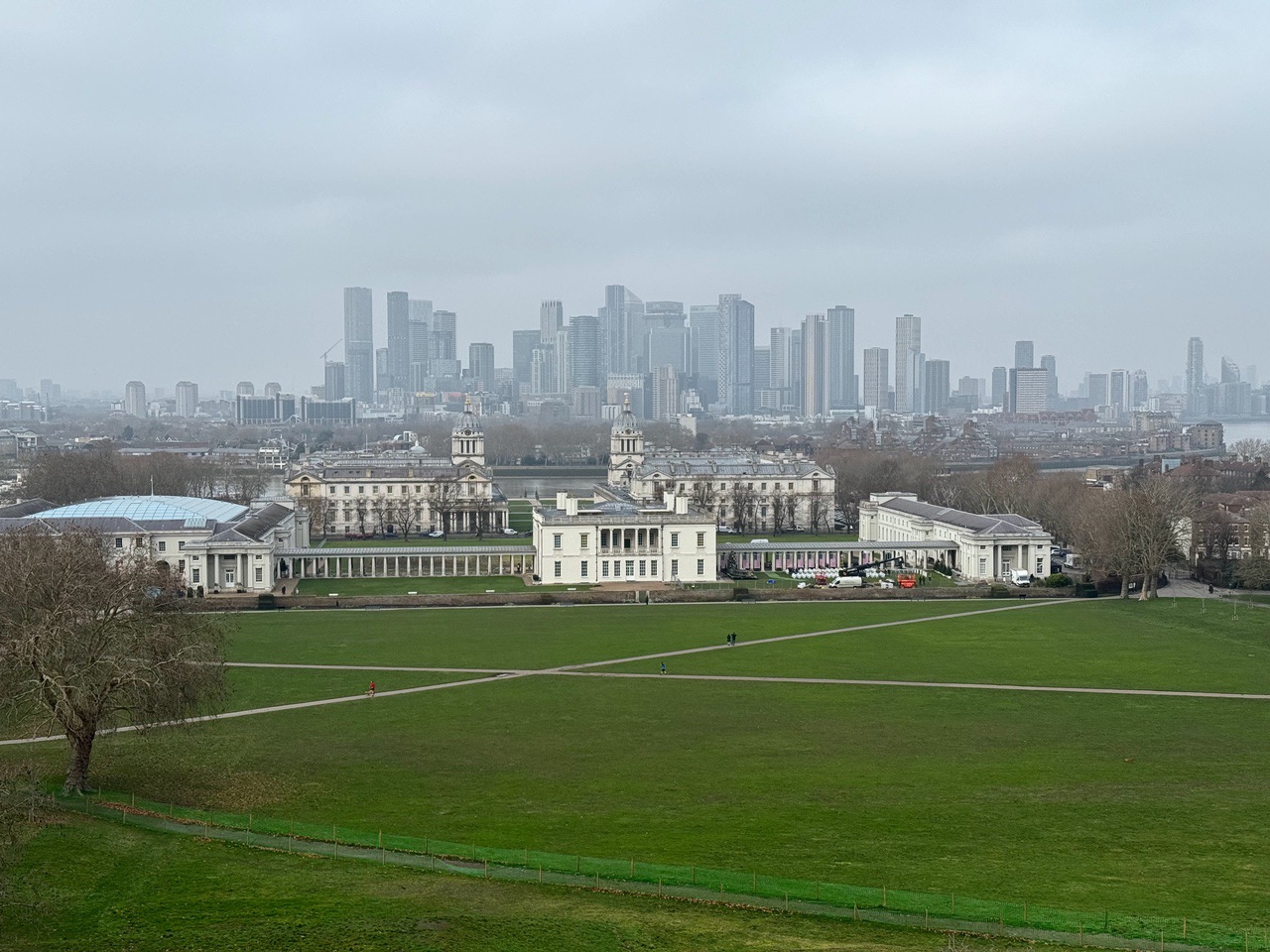
- Maritime Museum and Queen's house
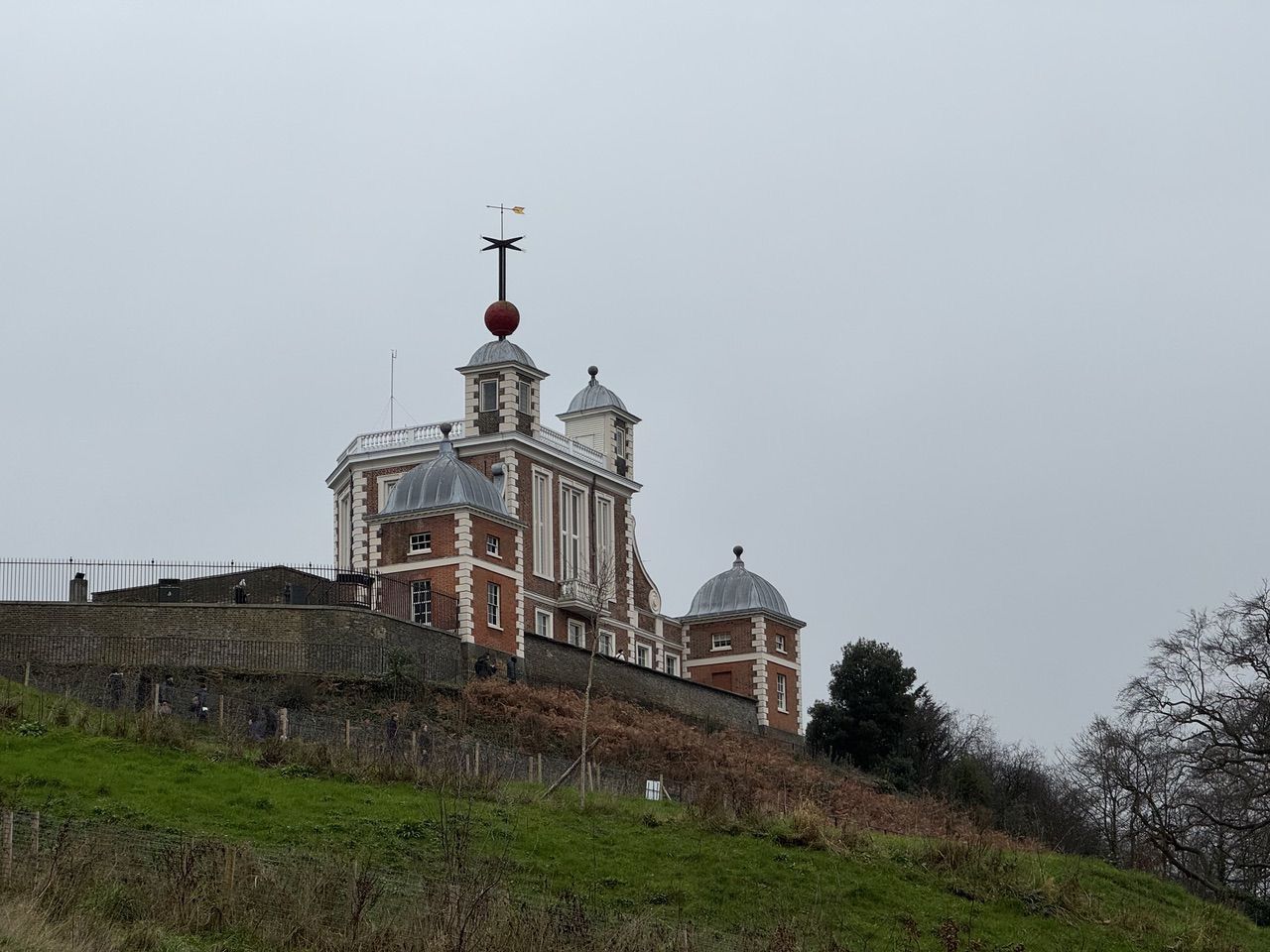
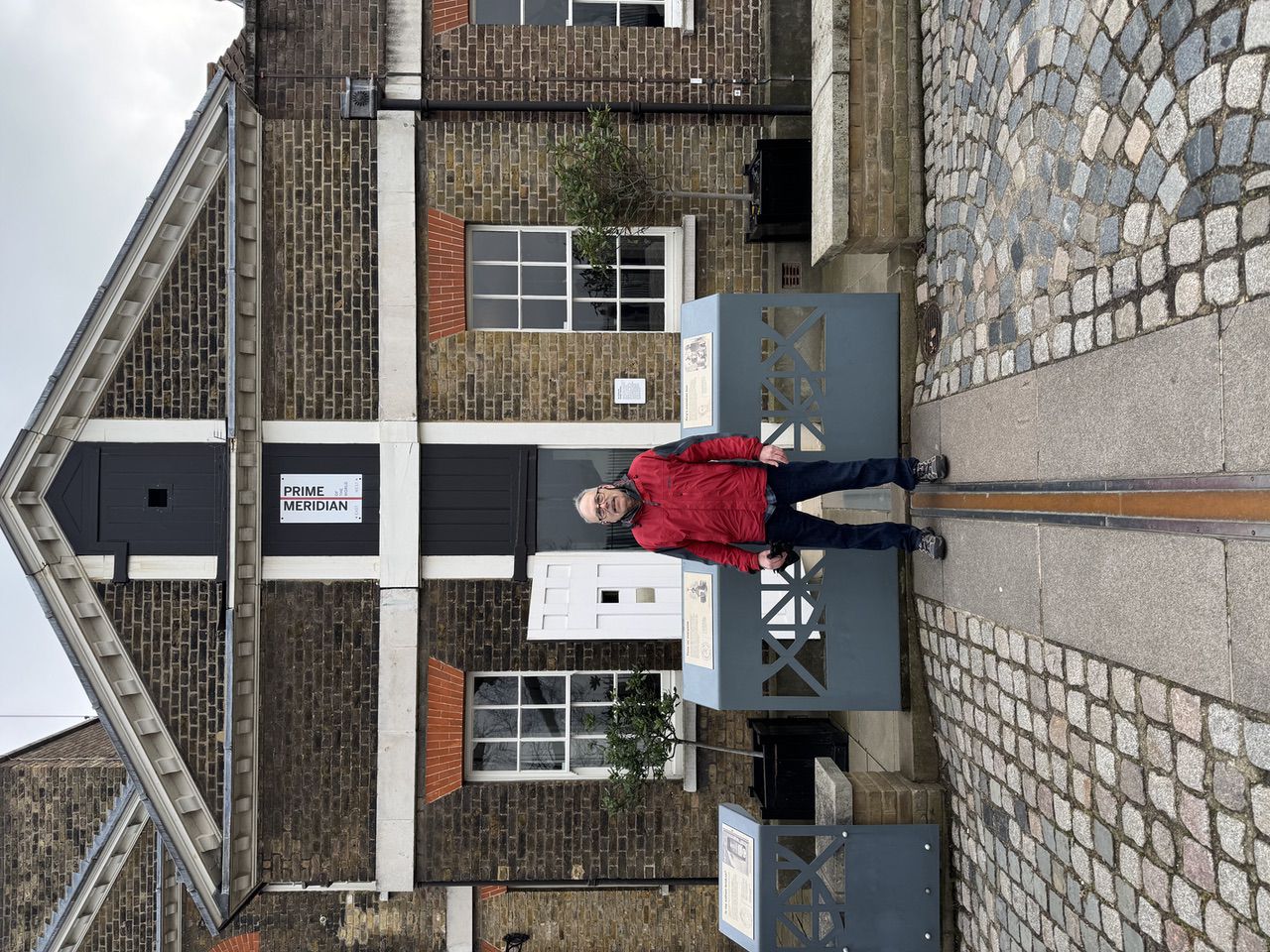
Note that the sign behind Larry says Does your satnav tell you that you are standing at precisely longitude 0°? The coordinate system used for satellite navigation in phones and other devices takes into account later data on the Earth's slightly irregular shape. Because of this there is a small difference between the Prime Meridian and the satellite meridian: the latter is about 100 metres further east. So, the compass pictures below were actually taken after walking down a path to get closer.
We took the bus back to North Greenwich and the Jubilee line back to the hotel.
For dinner, we took the Jubilee line to Canary Wharf and had dinner at The Ivy Canary Wharf.
Other posts that refer to this post:
--
Larry and Eileen Samberg